Come together
Community House
Sometime in April 1974 John and Vera Wood squatted an empty and seriously dilapidated house at 213 North Gower Street. They were a fair bit older than most of the squatters – in their forties – and over time took an informal role as Tolmers Village elders.
I have a recollection that there was a kind of Village meeting where they were introduced to the rest of us and explained their plans for what was to become known as Community House. But perhaps that is just a dream from those astral years.

By October, when they featured in an article in the Sunday Telegraph on squatting and Tolmers, the house had been transformed.
The Telegraph, in its usual patrician manner, titled the article ‘Squatting a la mode de W.1’ and captioned the article’s photograph thus: ‘How the chic squat:- Vera Wood, squatter par excellence, spins a little wool in her contemporary Euston sitting room’ which, it is stated later, ‘would do no discredit to the pages of Harpers and Queen.’
The article, which continues in this vein of condescending estate agent/Sunday paper property page speak, conveys the feeling of being bemused/amused that ‘Squatting – which used, in London, to be an essentially working-class pursuit carried on in the remoter reaches of the city – has gone quite middle class and is lapping at the shores of W.1.’
There is little doubt that John and Vera would not have taken kindly to the tone of the article and would have felt that the Telegraph writer had completely missed the point of what they were doing.
It is true that the house at 213 had been immaculately rehabilitated (as a result of their own manual labour) and gave off a kind of warm glow – sanded floorboards, light coloured walls furnished with a sparse Shaker aesthetic with overtones of India and the East – breath of the Brahmaputra. But these were really only the outward signs of their intentions and beliefs.
In February 1975, an article in the Times, titled ‘Selfless sufficiency comes to Bloomsbury’, gave a much more accurate picture of their venture ‘to try alternative life-styles which may be of use to society in finding a way out of its anxiety and alienation’.
The front door was indeed ‘open all day’ and people ‘constantly in and out’.

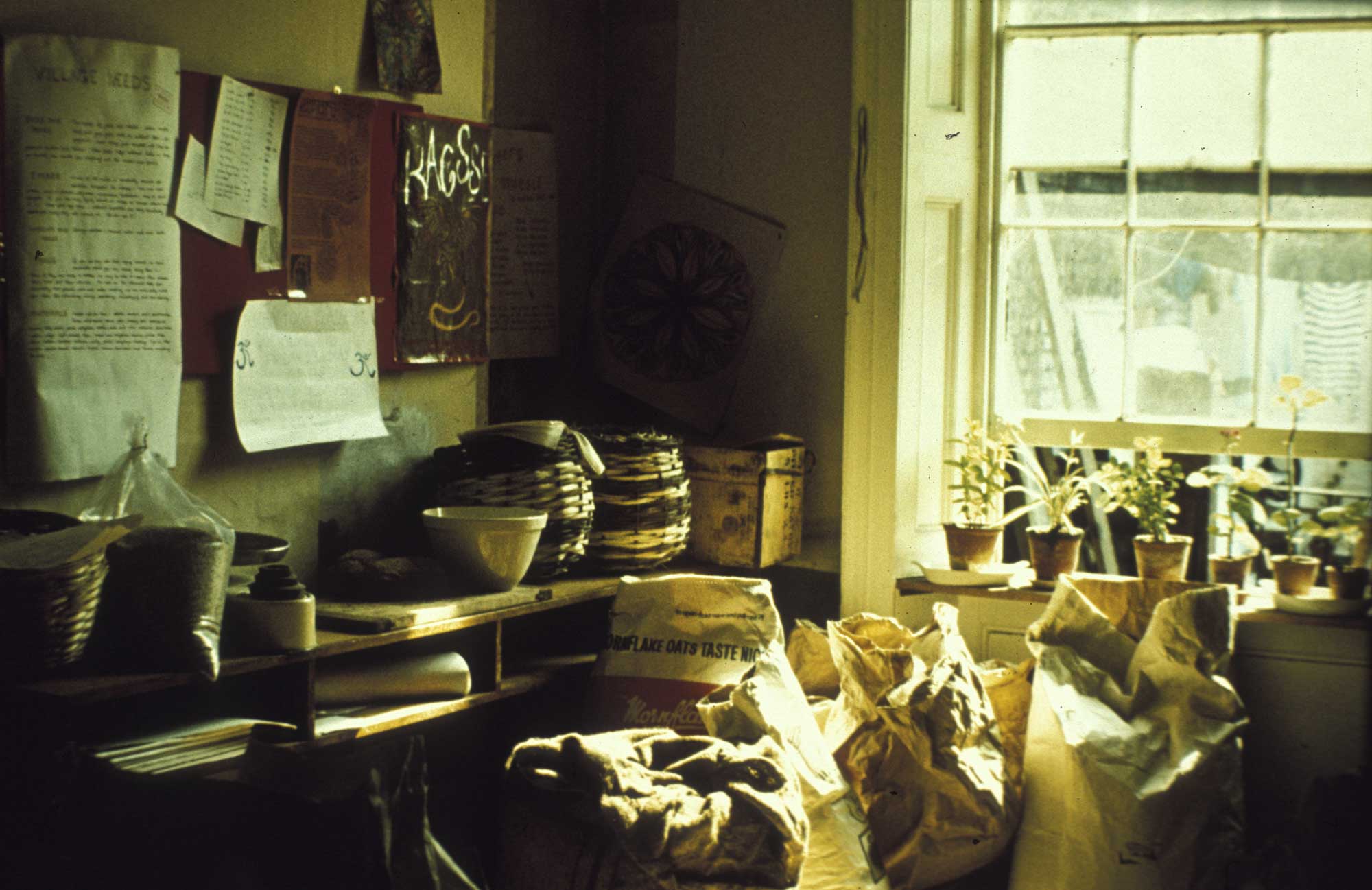

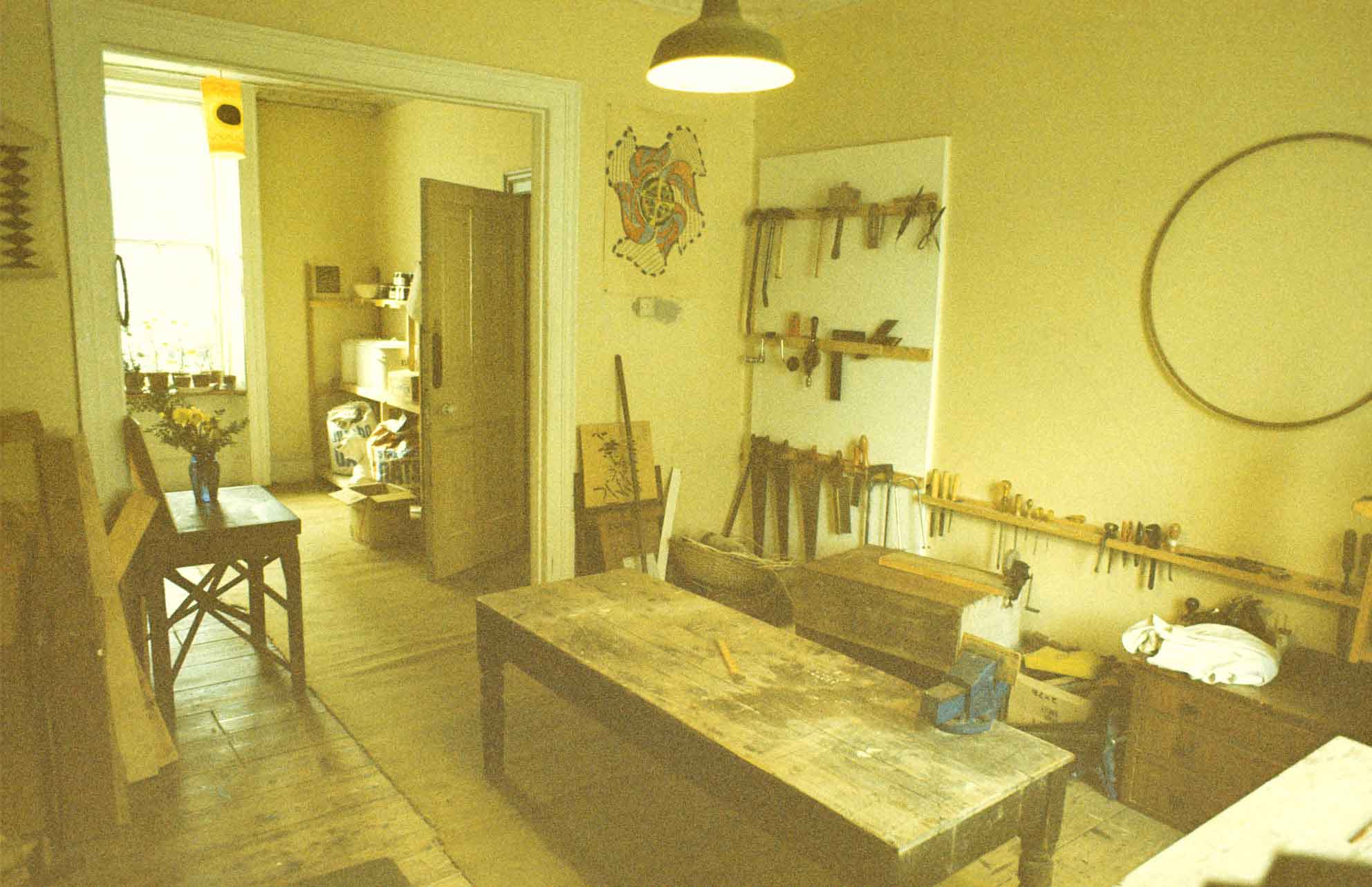
On the ground floor at the front there was what would now be called a small wholefood shop where you could find wheat, oats, home made muesli, wholemeal bread, beans, dried fruit and honey. All at cost – about two thirds of shop prices. A far cry from the pages of Harpers and Queen. At the back there was a workshop with John and Vera’s tools available for use by anyone.
In the rear of the basement a wood store of usable timber collected from skips – cleaned and de-nailed – ‘people who collect it give it; people who want it take it’.
And at the front of the basement the village bakery, where every day wheat was hand ground into flour and perhaps 20-30 loaves of very solid wholemeal bread was baked.
At some point, Ches, Tim and I decided that we would take it in turns to do an early shift in the bakery grinding flour.
Bakery
A hallway with white walls, ochre paintwork and sanded floorboards. Sunlight and mung beans, baskets of pulses and grains ranged in ordered tiers. In the sparse basement the flour grinder sits on a worktop, clamped to the wooden boards, the green painted cast wheel with its hanging arm and handle patiently waiting for the wheat.

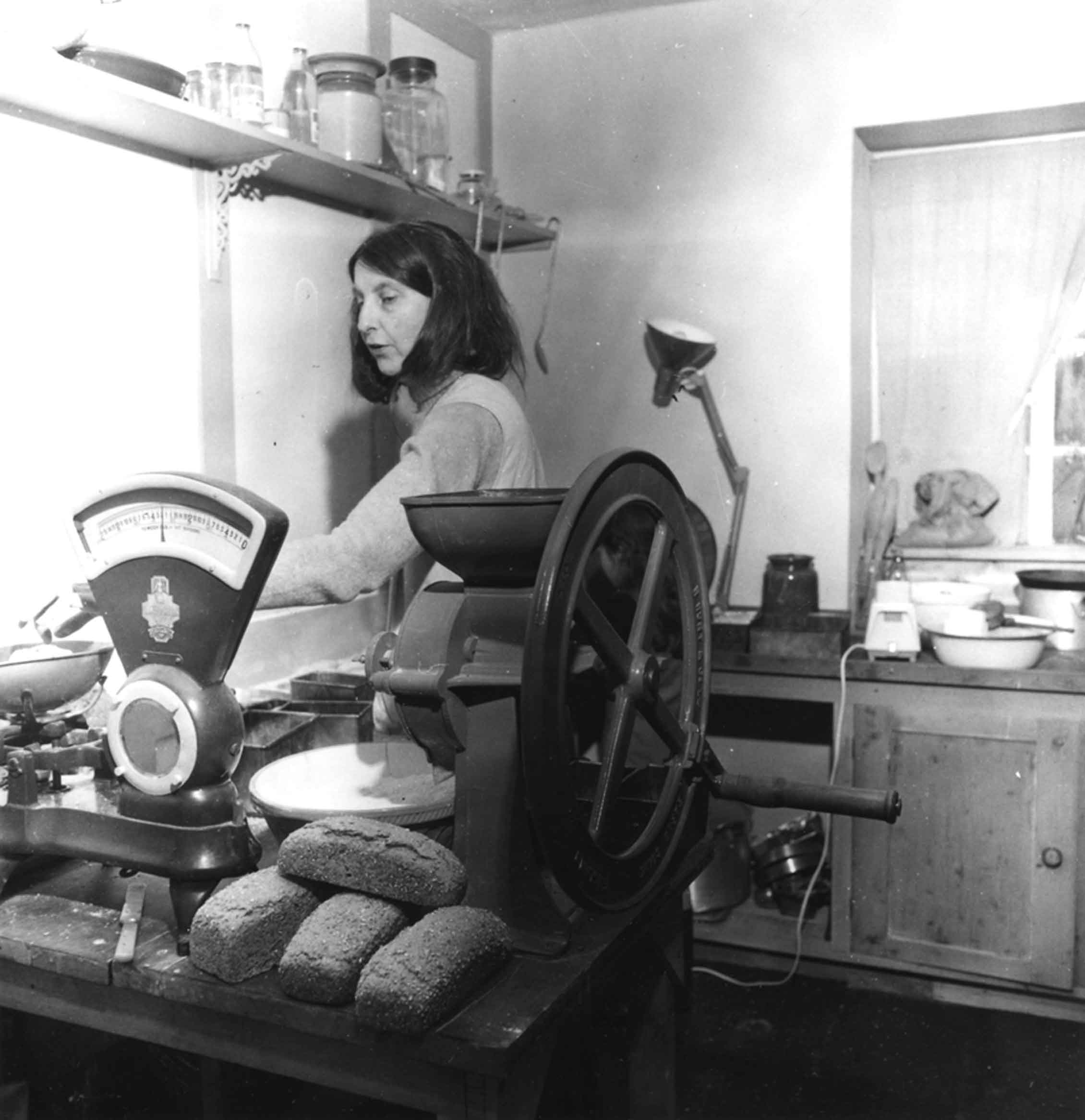
When you arrived in the dawn, John was long awake and preparing for the bread making, the big mixing bowls ready for the gritty tang of the flour. You would scoop the golden grains into the hopper, grasp the wooden handle and begin to turn. Slowly at first, feeling the resistance of the husks against the mill, then faster until the arm muscles warmed up. Trying to catch a rhythm, as the aching set in and the breath grew shorter. The hard kernels transformed by the turning of the wheel into soft dunes of flour rising slowly in the ochre stoneware bowl.
By the time the first bowl was full the heady smell of yeast filled the bakery and John would come by fussing, anxious to begin mixing the dough. As the grinding continued the flour, yeast, salt and water were blended into a great elastic mound with a large wooden spoon. On and on you turned the bakery prayer wheel, a Vedic manna pouring from the mill’s spout.
When it was over John brought breakfast: a bowl of rich muesli, oatflakes and seeds, peppered with nuts, dried fruit swimming in creamy milk. Shoulders aching, you would sit on the floor, struggling to lift the spoon to your mouth while he squatted, his back to the wall, rolling a cigarette. Sometimes you’d stay on to help with the kneading, rolling the soft dappled dough over the bench, squeezing, punching, turning and folding it over as the ovens warmed.
Then back up the stairs, soft plumes of incense, nag champa – sandalwood and frangipani – rolling down from the upper floors, past the cats basking in the doorstep sun out into North Gower Street.
At the crossroads the Crown and Anchor and the TGWU building stare blankly at one another and turning left, the Halal shops are setting up stall for another day.
Field oven (or Ghost in the machine)
It was unusually cold at the beginning of June 1975 – there were frosts and even snow across much of the UK. The weather suddenly changed on June 4, with temperatures in the high 20s, until June 14. Rain and cold weather followed until June 20 when the mercury hit the high 20s again.
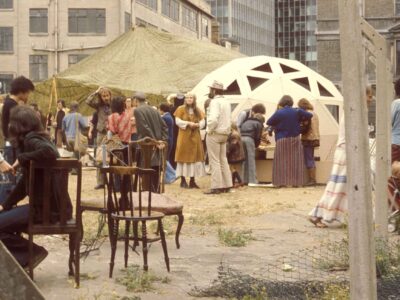
In the sweltering days before the second Tolmers carnival on 28 June 1975, an unexpected form gradually takes shape in the communal garden in Drummond Street.
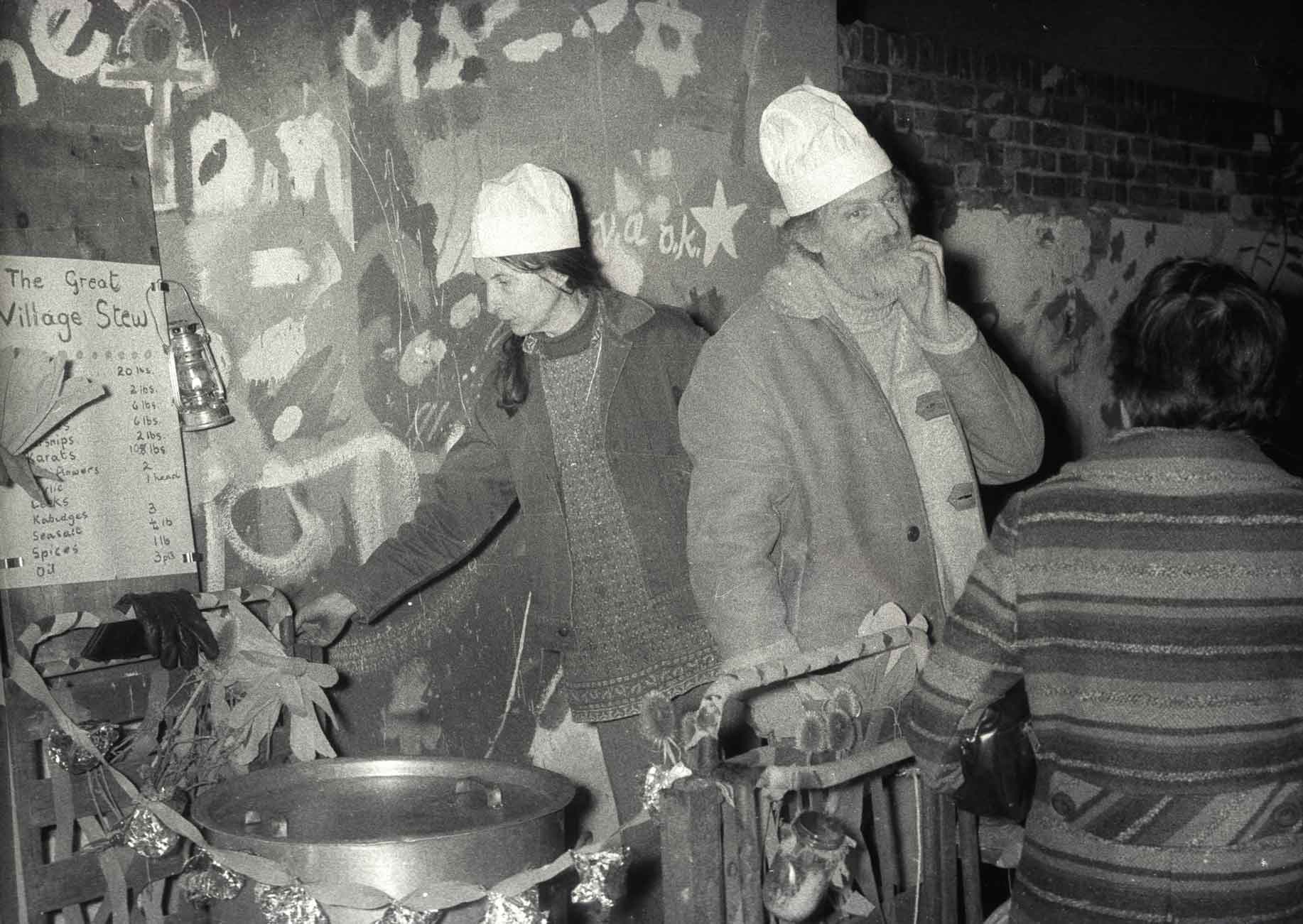
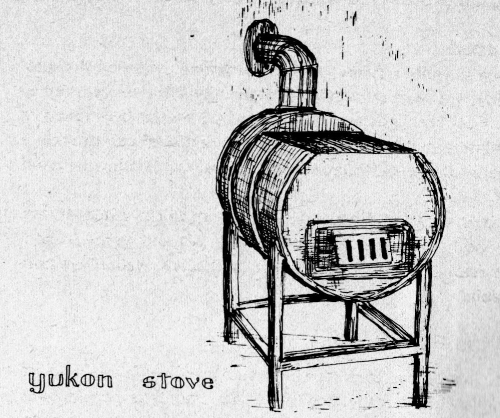
Ches and Tim are constructing a field oven from an old oil barrel and reclaimed angle iron.
John passes by at intervals to inspect progress and perhaps make a suggestion or two – for the oven is being made for him to bake bread in the Square on the day of carnival.
Hacksaws and drills, nuts and bolts, spanners and hammers. Sweat and curses.
A metal hand nibbler borrowed from Alex (who has form working with oil barrels as the home made wind generator on the roof of Euston Street attests) to painstakingly cut the door in the end of the barrel.
There is no internet, or YouTube video, to guide the would be constructor – only something perhaps in the Whole Earth catalogue. Work progresses through improvisation, trial and error, discussion and argument.
Finally, at the end of the long hot days, something resembling a steel sculpture of a four legged animal stands on the dry parched grass.
The oven needs to be tested before the carnival and Ches and Tim decide to roast a chicken inside; a celebratory meal after days of hard graft.
The next morning John comes to see the final article – he opens the door …
When he learns that a chicken has been cooked in the oven he is horrified and says he cannot use it to bake bread, explaining to its baffled makers that the spirit of the chicken remains inside. He walks back along Drummond Street to the bakery in North Gower Street.
The oven-animal remains in the garden for a while before being dismantled and discarded.
Or perhaps it disappears mysteriously on one of those summer nights …
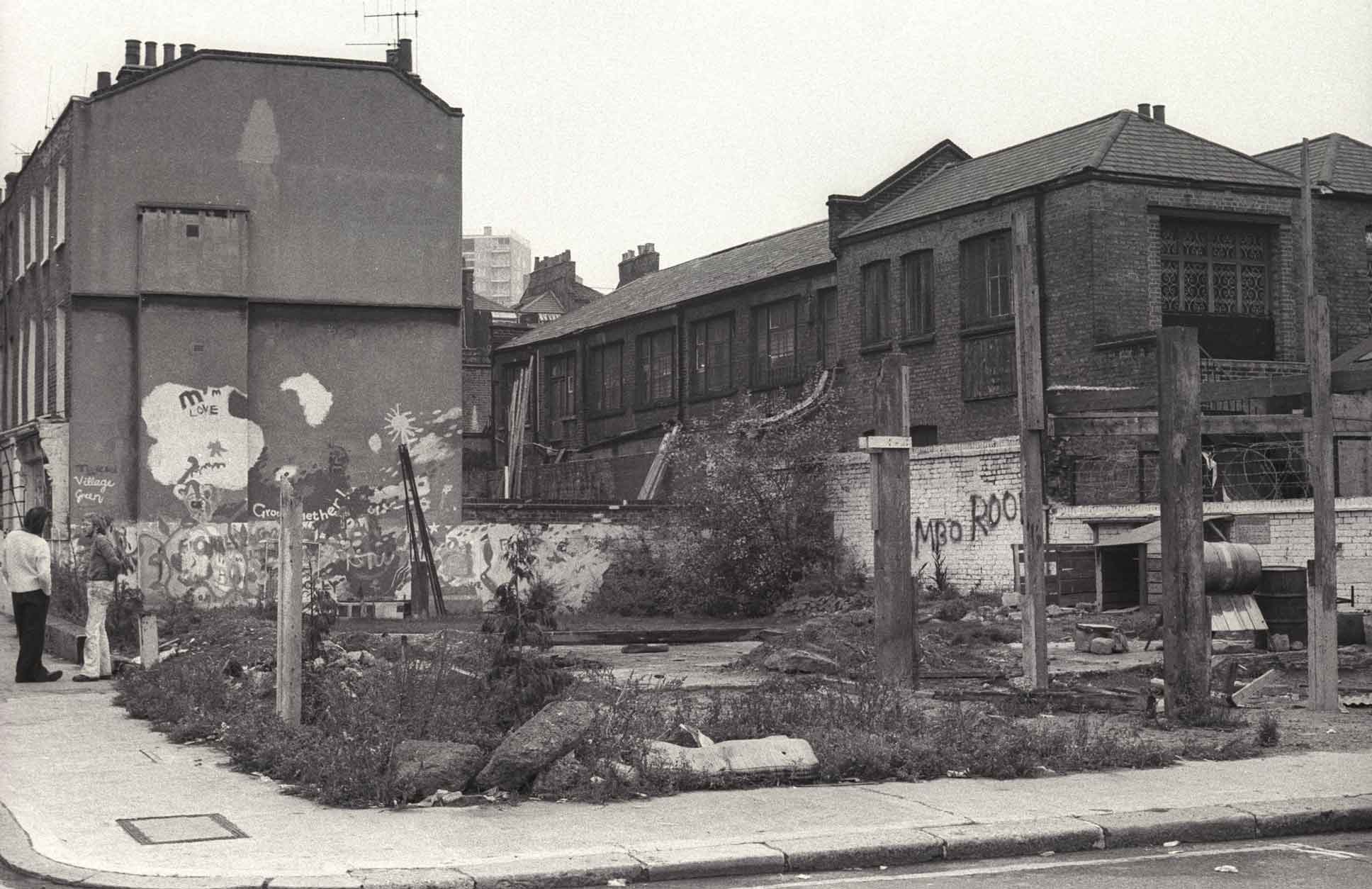
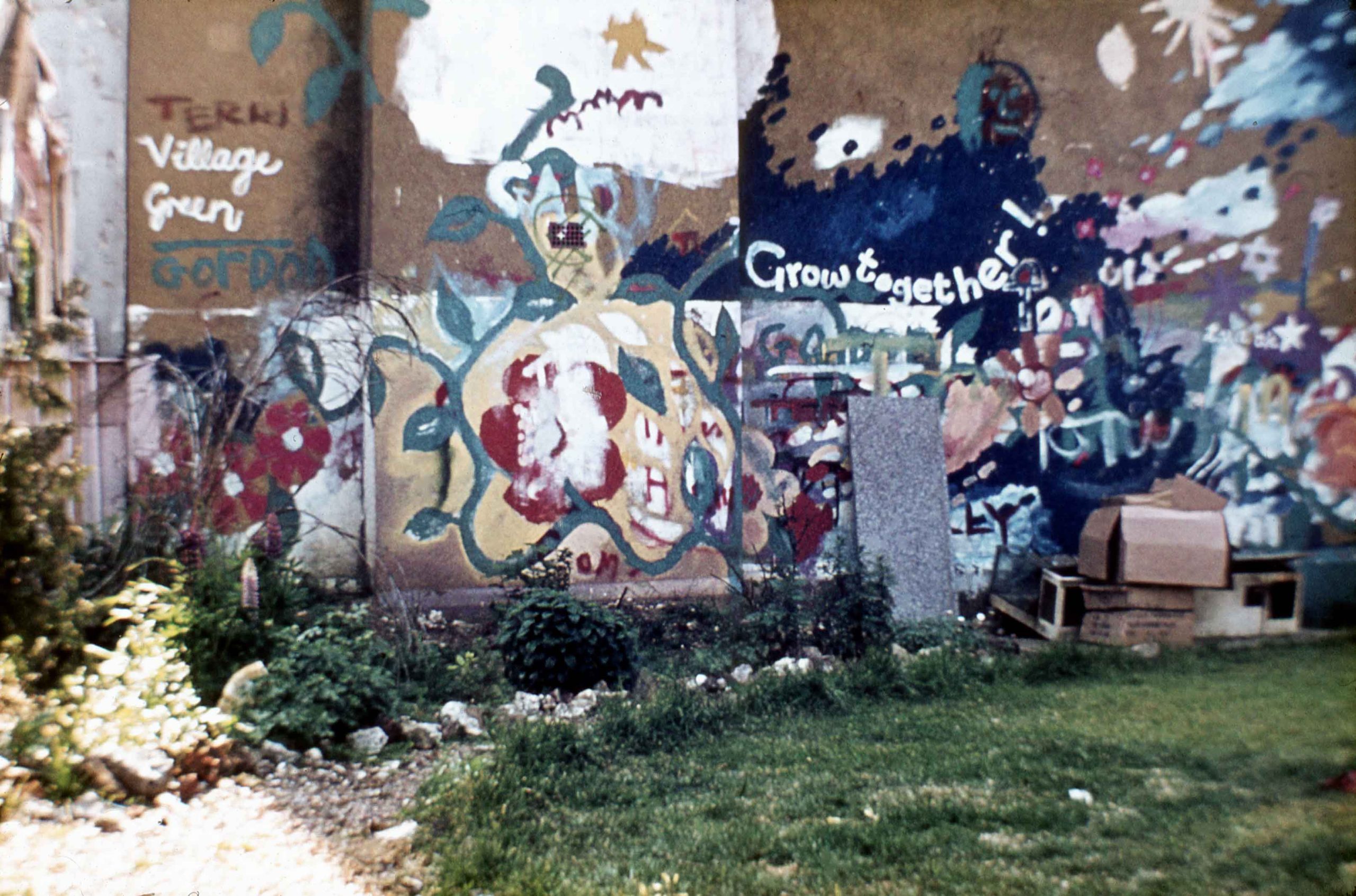
See all photos of 213 North Gower Street
See Community House Collection
See Times article ‘Selfless sufficiency comes to Bloomsbury’ by Michael Baily
See Where are they now profile for John Wood
See Where are they now profile for Vera Wood
Read more about the author Paul Nicholson
More stories
From Lisbon to Tolmers
by Pedro George
Tolmers made me realise that people are important in planning, you have to involve communities in decisions. If you fight a good fight, collectively, people can change their environment.
Afterlife
by Alison Ravetz
It's wonderful to know that all that work and struggle are not relegated to a museum of good ideas, but are still being carried forward.
Georgian house in central London
by Patrick Allen
I had only been living in Tolmers for 9 months but in that short time had created a home, become part of a thriving community and found more than a dozen new friends.
Turning point
by Suzy Nelson
It was a turning point in my life. I was wanting to find an alternative way of living and engaging in community politics.
No shame
by Tim Davies
A squat. I didn’t even know what that meant. I had to look it up – in the days before Google. Encyclopaedia Brittanica in those days.
Pathways to the future
by Joe Ravetz
Tolmers was a fantastic experimental zone - a unique vision and orientation, which helped me and many others to make sense and move forward;